


U.S. Airlines Are Raising Fares Again—And Travelers Keep Buying

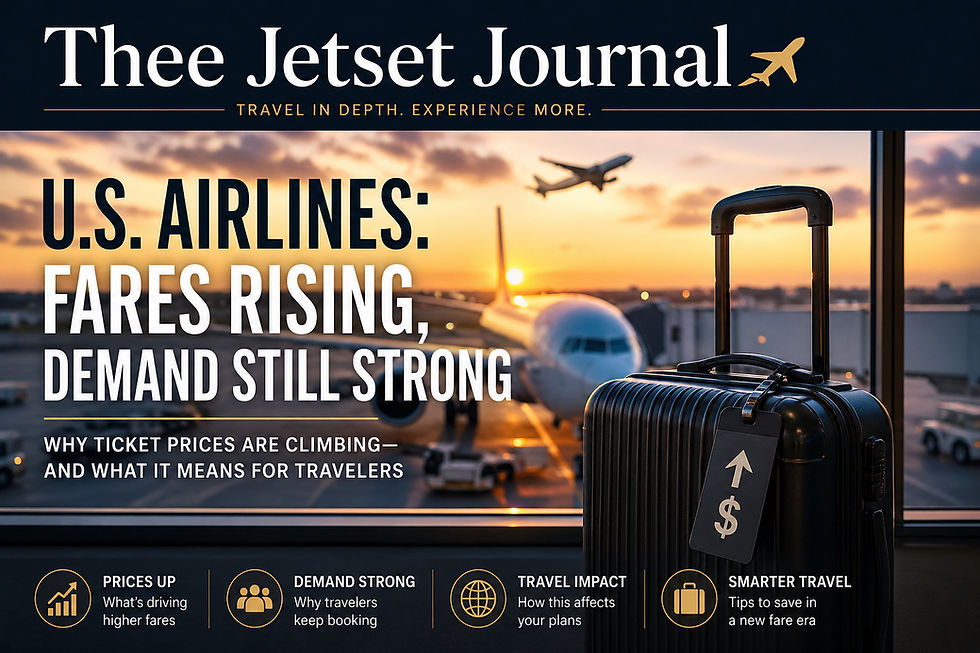
Airfare is creeping up again—and this time, travelers aren’t flinching.
Across the U.S., airlines are nudging prices higher on everything from quick domestic hops to long-haul international routes. What’s striking isn’t just the increase itself, but the lack of resistance. Flights are still full. Booking patterns are holding. In some cases, demand is even strengthening in higher fare categories.
This isn’t a seasonal spike or a quick reaction to fuel costs. It feels more like a settling point—one where airlines have figured out how far they can push pricing without tipping demand. And so far, that ceiling appears higher than many expected.
For travelers, it’s a subtle but meaningful shift. The era of consistently scoring cheap fares with a bit of timing and luck is fading. In its place is something more calculated—and, frankly, less forgiving.
News Breakdown: Higher Fares, Full Flights
Major carriers like Delta Air Lines, United Airlines, and American Airlines have been steadily lifting fares, particularly on routes where demand has proven resilient—think leisure-heavy destinations and key international corridors.
And it’s sticking.
Planes are going out full or close to it, even as ticket prices climb. Booking windows haven’t collapsed the way you might expect in a higher-price environment. If anything, travelers are committing earlier, locking in trips despite the cost.
Even carriers that built their reputations on affordability, like Southwest Airlines and JetBlue, are showing more restraint on pricing. The race to the bottom simply isn’t the priority it once was.
In plain terms: airlines aren’t discounting to fill seats—and they don’t have to.
A Dramatic Shift From Pre-2020 Pricing
Not long ago, the industry looked very different.
Pre-2020, airfare pricing was almost relentlessly competitive. Flash sales were common. Basic economy reshaped expectations. Low-cost carriers forced legacy airlines to match—or at least come close—on price.
That version of the market depended on volume. Fill as many seats as possible, then make up the difference with add-ons.
Today’s approach is quieter, but more deliberate.
Airlines have become noticeably more disciplined about capacity. They’re not adding flights just to chase market share, and that restraint is doing a lot of work behind the scenes. Fewer seats in the market—especially at peak times—naturally support higher fares.
At the same time, travelers have changed. Trips that might have felt optional a few years ago now carry more weight. Vacations, visits, even quick getaways are being prioritized in a way that makes price increases easier to absorb.
Why This Is Really Happening
The official explanations—fuel, labor, supply chain issues—are all valid. But they’re only part of the story.
What’s really happening comes down to how airlines think about revenue now.
For one, pricing has become far more precise. Airlines aren’t just selling seats—they’re selling versions of the same seat at vastly different price points. The gap between basic economy and a standard ticket can feel small, but the upsell to premium cabins is where margins really expand.
And those premium cabins? They’re not just filling—they’re thriving.
There’s also the loyalty factor. Travelers tied into airline ecosystems—through status or credit cards—tend to be less sensitive to price swings. Points, upgrades, and perks soften the blow, which gives airlines more room to move fares upward without losing those customers.
One industry reality that doesn’t get talked about much: airlines learned during the recovery years that they don’t need to chase every last passenger. A slightly emptier plane with higher fares can outperform a full one packed with discounted tickets.
Add in delayed aircraft deliveries, and you get a built-in constraint. Airlines simply don’t have unlimited capacity to deploy, even if they wanted to.
What This Means for Travelers
If you’ve been booking flights recently, you’ve probably felt this shift—even if you couldn’t quite pinpoint it.
The obvious change is price. Routes that used to have predictable deals—Florida runs, Vegas weekends, major hub connections—are holding firmer. Even off-peak departures aren’t dipping as low as they once did.
But the more subtle shift is in how fares behave.
There’s less of that dramatic drop right before departure. Fewer “wait it out” wins. Instead, prices tend to move in one direction: up, slowly but steadily.
Premium cabins are also telling a story. More travelers are opting to pay for comfort, especially on longer routes. What used to feel like a splurge is becoming, for some, part of the baseline travel experience.
And basic economy? It’s still there, but the trade-offs feel sharper now. The savings often don’t stretch as far as they used to.
What Travelers Should Do Next
This isn’t an impossible market—it just requires a bit more intention.
Booking earlier helps, but not in a rigid, rule-following way. Think of it more as giving yourself a buffer. Waiting until the last minute rarely pays off anymore, especially on popular routes.
Flexibility still matters, but it’s become more nuanced. Shifting your trip by even a day—or flying out of a secondary airport—can make a real difference.
It’s also worth looking beyond the headline price. A slightly higher fare that includes seat selection or flexibility can end up being the smarter choice, especially if plans change.
And if you’re already part of an airline loyalty ecosystem, now’s the time to lean into it. The perks are doing more heavy lifting than they used to.
The Bigger Trend Behind This Shift
Airfare isn’t rising in isolation. It’s part of a broader recalibration across travel.
Airlines, hotels, and cruise lines are all moving toward a similar model: fewer discounts, more targeted pricing, and a heavier focus on higher-spending customers.
In aviation, that means fewer rock-bottom fares and more emphasis on upsells. In hotels, it shows up in dynamic pricing and bundled packages. Cruises are leaning harder into premium tiers and add-ons.
There’s also a mindset shift among travelers. Experiences are carrying more weight, and that changes how price is perceived. A flight isn’t just transportation—it’s part of the overall trip investment.
That said, there’s a limit. If prices keep climbing without improvements in reliability or service, travelers will eventually push back. The industry knows this, which is why increases have been gradual, not abrupt.
A Quick Comparison: Are Alternatives Gaining Ground?
As flights get more expensive, some travelers are doing the math differently.
Cruises, in particular, are having a moment. When you factor in accommodations, meals, and entertainment, the value proposition can look surprisingly competitive—especially for destinations like the Caribbean or Alaska.
Closer to home, road trips and even rail are getting a second look, particularly for shorter distances where airfare no longer feels like a clear win.
Still, for long distances or tight schedules, flying remains the default. Speed matters, and airlines still own that advantage.
Conclusion: A New Normal, Not a Temporary Spike
What we’re seeing now doesn’t feel temporary.
Airlines have found a pricing rhythm that works—and, so far, travelers are going along with it. Higher fares aren’t dampening demand in the way they once might have.
That doesn’t mean prices will rise indefinitely. But it does suggest that the baseline has shifted.
For travelers, the adjustment is less about reacting to one-off price hikes and more about recalibrating expectations. Deals still exist, but they take more effort—and a bit more strategy—to find.
For now, the balance is holding. Flights are fuller, fares are higher, and the industry is operating with a level of confidence that’s been missing for years. The real question is how long that balance can last before something—economic pressure, consumer fatigue, or increased capacity—tips it in a new direction.


Comments