


Is Cruising Still the Best Travel Value in 2026?


In 2026, cruising is no longer the automatic bargain it felt like in the immediate post-pandemic years. The industry has matured into a more structured, regulation-driven, and revenue-optimized business model. That doesn’t mean cruising has lost its value edge — but it does mean travelers must understand what’s changed before assuming it’s the best deal on the market.
Here’s a clear-eyed breakdown of the current policy landscape and what it means for your wallet.
What Changed
Environmental Compliance Is Now Fully Enforced
The most significant structural shift comes from global environmental regulation. The International Maritime Organization’s 2025 sulfur cap enforcement is now fully active, and many cruise lines have accelerated adoption of LNG propulsion, hybrid systems, and cleaner fuel technologies.
In addition, major ports in North America and Europe are phasing in shore-power requirements between 2025 and 2027, requiring ships to plug into local electrical grids while docked rather than run engines.
These policies are no longer voluntary sustainability initiatives — they are operational mandates. Noncompliance results in fines, port restrictions, or increased berth fees.
The outcome: higher baseline operating costs across fleets, particularly for older ships that required retrofitting.
Health & Sanitation Standards Are Now Institutionalized
Pandemic-era health measures have evolved into standardized operational policy. Enhanced HVAC systems, wastewater monitoring, medical staffing protocols, and routine vaccination verification for crew — and in some cases guests — are now embedded in cruise operations.
Unlike 2020–2022 emergency measures, these are not temporary. They are part of the long-term cost structure of running a ship in 2026.
Crew Compensation Has Increased
Labor shortages and increased scrutiny over maritime labor practices led major cruise operators to implement stronger compensation guarantees and clearer rest standards between 2024 and 2026.
Enhanced wage floors, improved scheduling protections, and expanded rotation benefits are now standard across major brands. While positive for workforce stability and guest experience, payroll expenses have risen accordingly.
Pricing Has Shifted Toward Airline-Style Revenue Management
Perhaps the most visible change for travelers is the shift toward dynamic pricing and à la carte revenue strategies.
Pre-2020 cruise fares were marketed as broadly inclusive. In 2026, the base fare typically still includes accommodations, standard dining, and onboard entertainment — but many formerly bundled amenities are now sold as tiered packages or add-ons.
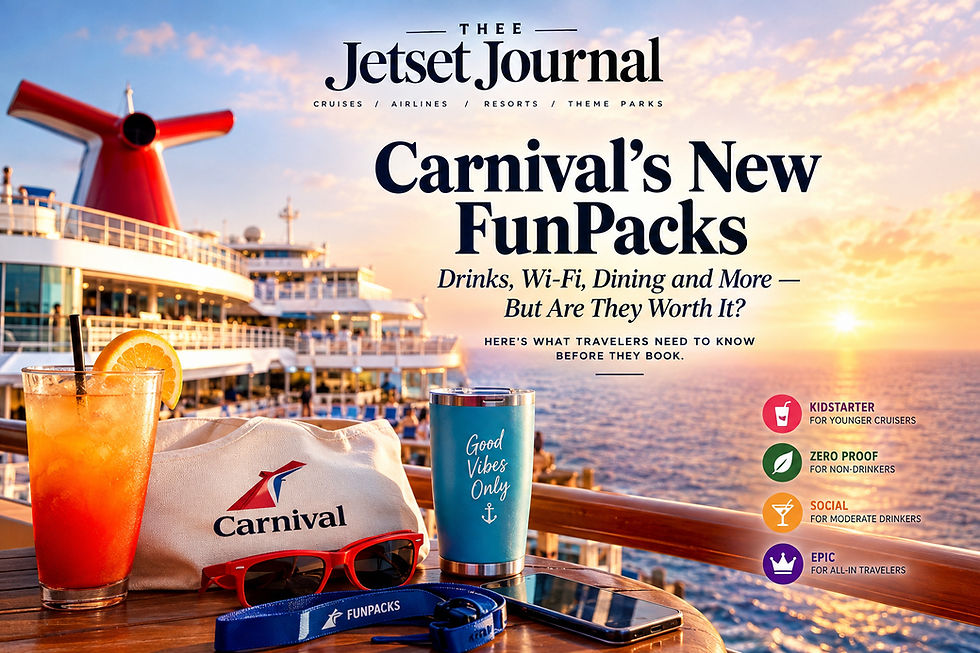
Specialty dining, premium beverages, Wi-Fi, priority boarding, curated shore excursions, and fitness classes are frequently sold in bundled tiers or priced dynamically based on demand.
This shift mirrors airline pricing strategy far more than the traditional cruise model.
When These Changes Took Effect
Environmental compliance measures became fully enforceable globally in 2025, with additional shore-power requirements continuing phased implementation through 2027 in certain ports.
Crew compensation reforms were rolled out incrementally beginning in 2024, with most major operators completing implementation by mid-2026.
Dynamic pricing systems and expanded ancillary fee structures were introduced gradually from 2024 onward and are now fully integrated across most mainstream cruise lines.
In short: these are not upcoming changes — they are the current operating reality.
Comparison to Previous Policy
Before 2020, cruise lines operated with fewer emissions restrictions, less expensive marine fuel requirements, and simpler pricing models. Health protocols were largely reactive rather than structured, and labor policies followed basic international maritime standards.
In 2026, the environment is fundamentally different:
Cleaner fuel mandates have replaced standard marine fuel use.
Shore-power infrastructure increases port costs.
Health and sanitation standards are permanently elevated.
Crew compensation is more robust and regulated.
Pricing is more segmented and demand-driven.
The cruise fare is no longer a one-price-fits-all proposition. It is a base product supplemented by optional enhancements.
Cost Implications
For Cruise Operators
Fuel compliance, retrofitting older ships, higher payroll costs, and shore-power infrastructure all increase baseline operating expenses. While some efficiencies are achieved through larger ships and premium onboard spending, margins rely more heavily on ancillary revenue than in the past.
Dynamic pricing technology helps offset rising costs by maximizing per-cabin revenue during high demand periods.
For Travelers
Base fares have risen moderately compared to early-2020s promotional lows. The more significant shift is in ancillary costs.
Gratuities, drink packages, specialty dining, shore excursions, and Wi-Fi can meaningfully increase total trip cost if not factored in from the outset.
That said, cruising still bundles accommodations, transportation between destinations, multiple meals daily, and entertainment into a single structure. Compared to booking flights, hotels, dining, and activities separately for a land-based vacation, cruises remain competitive on a per-day basis — particularly in mainstream and premium segments.
The difference in 2026 is predictability. Travelers must actively calculate total trip cost rather than relying solely on advertised fares.
Who Benefits — and Who Loses
Who Benefits
Frequent cruisers and loyalty members are positioned well under the new model. Tier benefits often include Wi-Fi, beverage credits, priority boarding, or onboard credits that offset ancillary costs.
Premium and luxury cruise brands also benefit. Their all-inclusive pricing structures now feel comparatively transparent when measured against mainstream lines’ base-fare-plus-add-on structure.
Experience-driven travelers who prioritize curated excursions, specialty dining, and themed sailings often perceive strong value because they are willing to pay for enhanced experiences.
Who Loses
First-time cruisers focused strictly on low entry fares may experience sticker shock when optional add-ons accumulate.
Large families and highly price-sensitive travelers are more vulnerable to cumulative ancillary fees, particularly when multiple guests require beverage packages, excursions, and specialty dining.
In these cases, a carefully priced all-inclusive land resort may be more predictable from a budgeting standpoint.
Expert Analysis: Is Cruising Still the Best Travel Value in 2026?
The short answer is conditional.
Cruising remains one of the most efficient ways to bundle transportation, lodging, dining, and entertainment into a single itinerary — particularly in destinations like the Caribbean, Mediterranean, and Alaska.
However, the “automatic bargain” era is over.
The value now depends on traveler behavior:
Early booking typically secures better dynamic pricing.
Loyalty status enhances overall return on spend.
Off-peak and shoulder season sailings provide the strongest cost-to-experience ratio.
Strategic selection of add-ons prevents budget creep.
For travelers who maximize included amenities and avoid impulse onboard purchases, cruising still competes strongly against comparable land vacations.
For travelers who treat the base fare as the total price, the value proposition may feel diminished.
How to Prepare Before You Sail
1. Build a Total-Cost Budget
Before booking, estimate the full cost: base fare, taxes, port fees, gratuities, excursions, drink packages, Wi-Fi, specialty dining, and transfers.
2. Understand Your Fare Type
Different pricing tiers include different perks. Choose the tier aligned with your actual habits rather than defaulting to the lowest fare.
3. Book Strategically
Dynamic pricing rewards early planners. As ships fill, prices typically increase. Shoulder season departures often deliver better overall value.
4. Use Loyalty Benefits
If you’ve cruised before, factor in included perks. They can significantly reduce onboard spending.
5. Expect Environmental and Port Surcharges
These are increasingly common and reflect regulatory compliance costs. They are part of the new baseline.
Final Verdict
Cruising in 2026 is no longer universally the cheapest vacation option — but it can still be one of the best structured values in travel.
For informed travelers who understand modern pricing mechanics and plan accordingly, cruises remain competitively priced relative to comparable land vacations.
The difference is no longer whether cruising is cheap.
It’s whether you know how to navigate the new rules.


Comments