


Disney Is Quietly Building a New Kind of Community—And It Could Reshape How We Think About Vacation Living

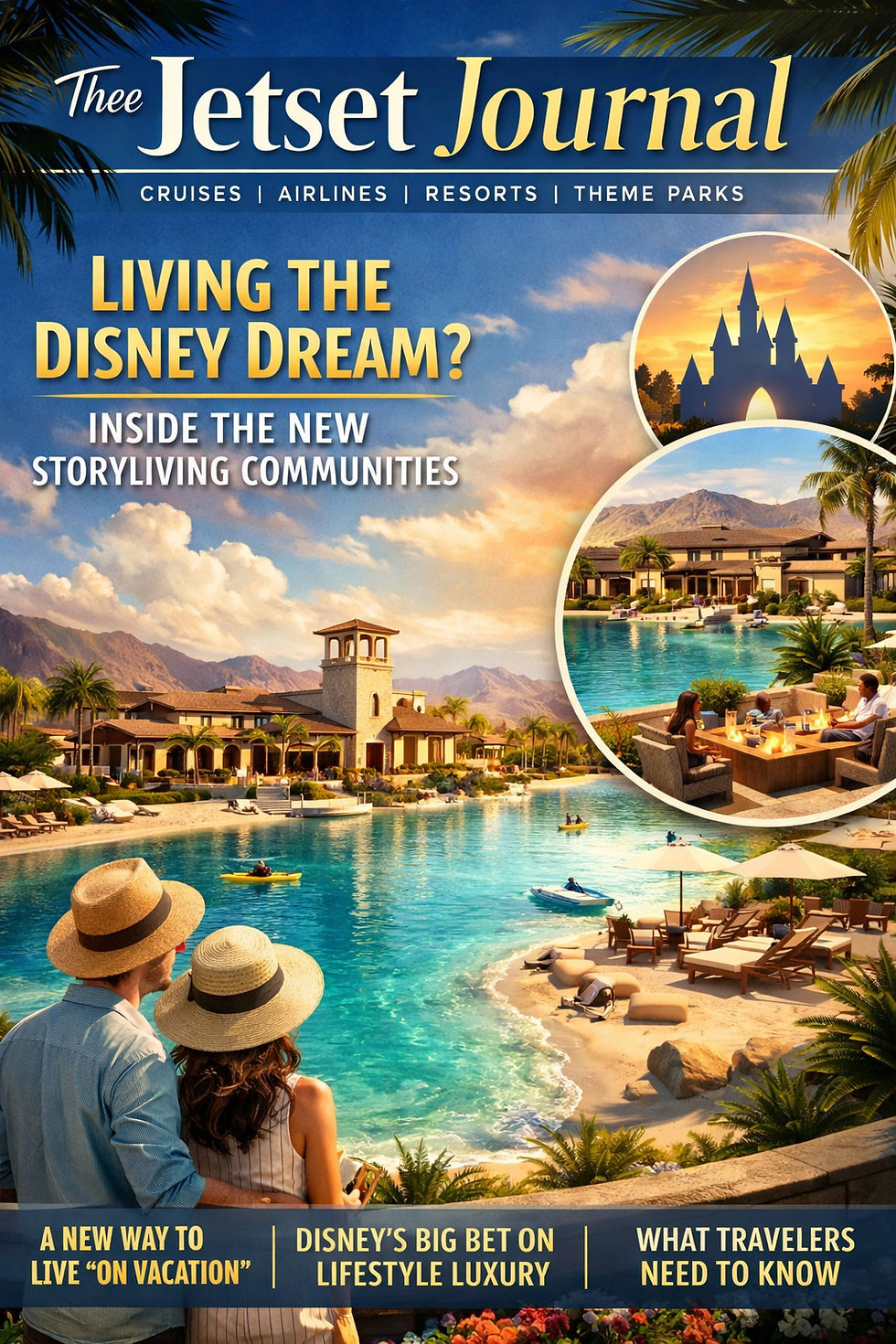
For decades, The Walt Disney Company hasn’t just built attractions—it’s built environments people actively try to linger in. There’s a difference. Plenty of companies can design a ride or a hotel. Far fewer can create a place where the surroundings feel as intentional as the experience itself.
Now Disney is pushing that idea into more permanent territory.
Its latest move into residential communities—marketed under the “Storyliving” banner—goes well beyond a lifestyle experiment. It’s a signal that Disney is no longer content owning your vacation time. It wants a place in your everyday life, too. And if that sounds ambitious, it is—but it’s also very on-brand.
The Opening: Why This Matters Right Now
This didn’t come out of nowhere. The last few years have reshaped how people think about where they live. Remote work untethered millions from traditional office hubs, and with that came a quiet reevaluation: if you can live anywhere, why not live somewhere that actually feels… good?
At the same time, travelers have become more selective. A standard hotel stay doesn’t hit the same way it used to. People want consistency, atmosphere, a sense of ease that carries through the entire experience—not just moments of it.
Disney is stepping directly into that overlap.
Its planned communities—like Cotino in California’s Coachella Valley—are designed to deliver something closer to a permanent resort rhythm. Not flashy in the theme park sense, but carefully controlled, aesthetically cohesive, and layered with programming that keeps things feeling alive.
Put simply, this isn’t about selling homes. It’s about selling a version of daily life that feels just a little more curated than usual.
News Breakdown: What Disney Is Actually Planning
Under the Storyliving concept, Disney is developing master-planned communities anchored by signature features—at Cotino, that’s a sprawling, resort-style lagoon surrounded by residential zones and shared spaces.
But the real product isn’t the lagoon or even the homes. It’s the infrastructure around them.
Residents will have access to private clubs, wellness programming, events, and Disney-managed services that echo what you’d find at a high-end resort. Some areas will be open to the public in a limited capacity, but much of the experience is intentionally gated—more members’ club than open destination.
That tiered access model is worth paying attention to. Disney has refined it over years of cruise operations and VIP park experiences. It knows how to create layers of exclusivity without making the broader offering feel inaccessible. Expect that same balancing act here.
And importantly, Disney isn’t acting like a traditional developer. It’s positioning itself as the ongoing operator of the experience. The real estate gets you in the door—but the value lives in everything that happens after you move in.
Context: Disney Has Been Testing This for Years
If this sounds familiar, that’s because Disney has tried something adjacent before.
Celebration, Florida was the company’s earlier attempt at building a town from the ground up. It worked—up to a point. The design was thoughtful, the demand was there, but over time Disney stepped back from direct involvement. Running a town, it turns out, isn’t the same as running a resort.
What’s different now is the framing.
Disney isn’t trying to build a traditional community with municipal responsibilities. It’s building something closer to a hospitality ecosystem that happens to include homes. That distinction may seem subtle, but it changes everything—from staffing models to revenue streams to resident expectations.
You can also see the influence of Disney Cruise Line here. On a ship, everything is controlled, curated, and maintained to a very specific standard. Guests notice that consistency—and they pay for it.
Storyliving feels like an attempt to translate that same consistency onto land, without the constraints of a one-week itinerary.
Across the industry, this approach isn’t happening in isolation. Luxury brands have been moving into residential offerings for years. What Disney is doing differently is scaling the emotional component. It’s less about prestige and more about atmosphere.
Why This Is Really Happening
Disney’s official messaging leans heavily on storytelling and community. That’s part of it—but the underlying strategy is more pragmatic.
Start with revenue stability.
Parks and cruises are high-performing, but they’re also sensitive to economic shifts. Residential communities, by contrast, generate ongoing income through fees, memberships, and services. It’s a steadier, longer-term play—and one that investors tend to like.
Then there’s brand depth.
Disney has always been exceptionally good at creating emotional connections, but those connections have historically been tied to short-term experiences. A week at a resort. A few days in the parks. A cruise itinerary.
Residential living changes that equation. It embeds the brand into daily routines—morning walks, weekend activities, social events. That’s a different level of engagement, and it’s far more durable.
And then there’s the audience.
This isn’t really about young families planning their next trip. The more likely buyer is someone with disposable income, flexible location options, and a long-standing relationship with the Disney brand. Think empty nesters, remote professionals, or semi-retirees who want something that feels both elevated and familiar.
One industry insider put it bluntly: Disney isn’t selling nostalgia. It’s selling control—over environment, experience, and expectations. The nostalgia just makes the pitch easier.
What This Means for Travelers
Even if you never plan to buy into one of these communities, the ripple effects are worth watching.
For one, it introduces a new kind of hybrid travel experience. Some of these developments are expected to offer limited public access—events, short stays, or bookable experiences that let non-residents step inside the ecosystem.
That could create a category that sits somewhere between a resort stay and a private club visit. Not fully open, not entirely exclusive—but intentionally curated.
It also raises the bar.
As travelers spend more time in environments where everything feels considered—from landscaping to service interactions—their expectations shift. That has a way of filtering back into the broader travel market. Hotels, cruise lines, and resorts will need to match not just the quality, but the cohesion of the experience.
Disney isn’t just creating a product here. It’s quietly redefining what “premium” feels like.
What Travelers Should Do Next
If this concept is on your radar, there are a few smart ways to approach it.
Keep an eye on early access opportunities. Disney tends to open the door—carefully—before a full rollout. That might mean preview events, guided tours, or limited booking windows tied to the community’s amenities.
If you’re considering buying, slow down and read the fine print. The long-term experience will hinge on how these communities are managed, not just how they’re marketed. Pay attention to fee structures, governance, and how much control Disney retains over time.
And more broadly, take note of what’s actually appealing to you. Is it the Disney branding, or the idea of a highly structured, service-driven environment? Because if it’s the latter, there are other ways to access that feeling without committing to a property.
The Bigger Trend Behind This Shift
Zoom out, and this move fits into a much larger shift across travel and hospitality.
The line between “where you live” and “where you escape to” is getting thinner. People are blending the two—working remotely from resort-style locations, extending stays, or choosing homes that feel like destinations in their own right.
Branded residences are a natural extension of that.
Hotels are building them. Cruise lines are experimenting with longer-term concepts. Resorts are leaning into extended-stay models. Everyone is chasing the same idea: if you can make everyday life feel more like a vacation, people will pay for it.
Disney just happens to be one of the few companies with the creative and operational muscle to attempt this at scale.
A Brief Comparison: How Disney Stacks Up
Compared to traditional luxury residences, Disney’s approach feels less about status and more about immersion.
Brands like Four Seasons or Ritz-Carlton trade on prestige and service consistency. Disney trades on environment—how a place feels, how it flows, how it subtly shapes your day.
That distinction will matter. It opens the door to a broader audience, but it also raises the stakes. Maintaining that level of immersion over years—not days—is a far more complex challenge.
Conclusion: A Calculated Bet on Lifestyle Over Lodging
Disney’s residential communities are, at their core, a bet.
A bet that people want more than just great vacations. A bet that environment matters enough to influence where—and how—they choose to live. And a bet that Disney can deliver that environment consistently over time.
It won’t be easy. Operating a community is messier than running a resort, and expectations don’t reset every week like they do with new guests.
But if Disney can pull it off, this won’t just be an interesting side project. It will be a blueprint—one that other brands will be quick to study, and even quicker to follow.


Comments